Recent skylight work
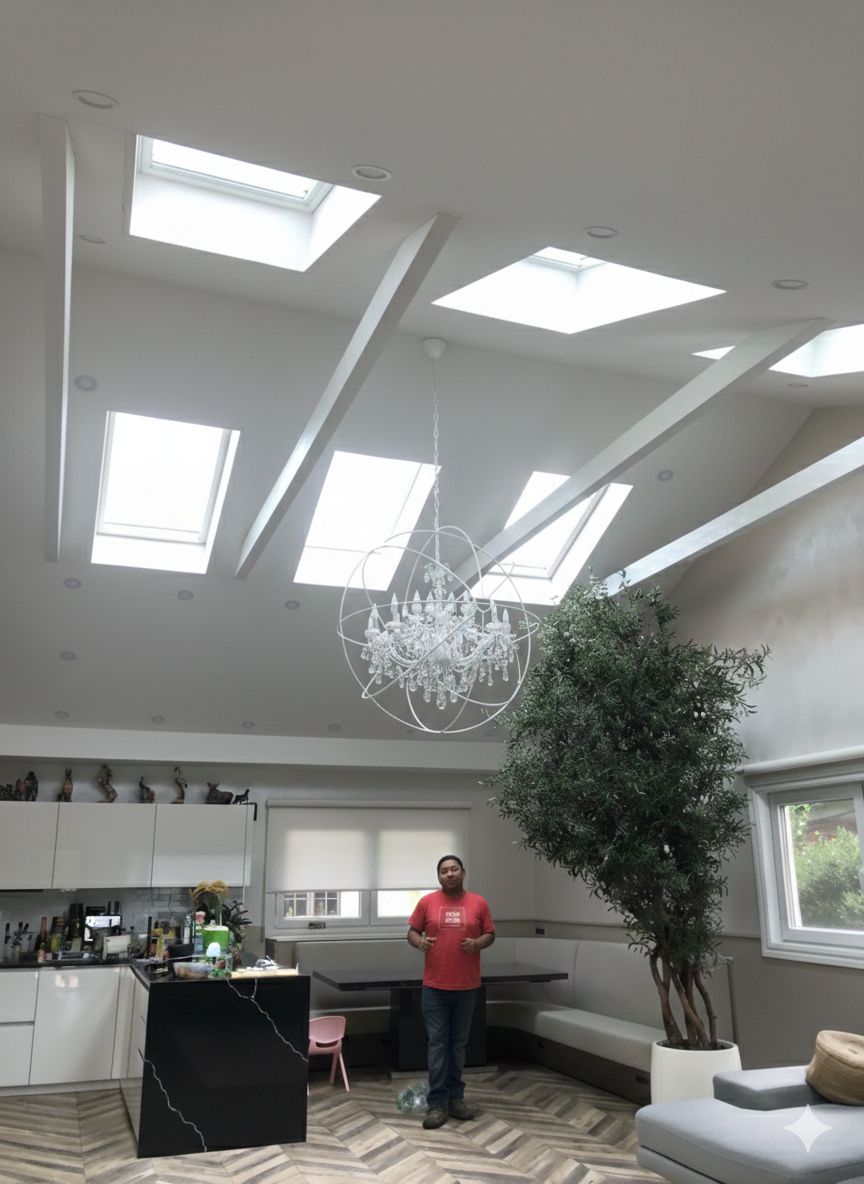
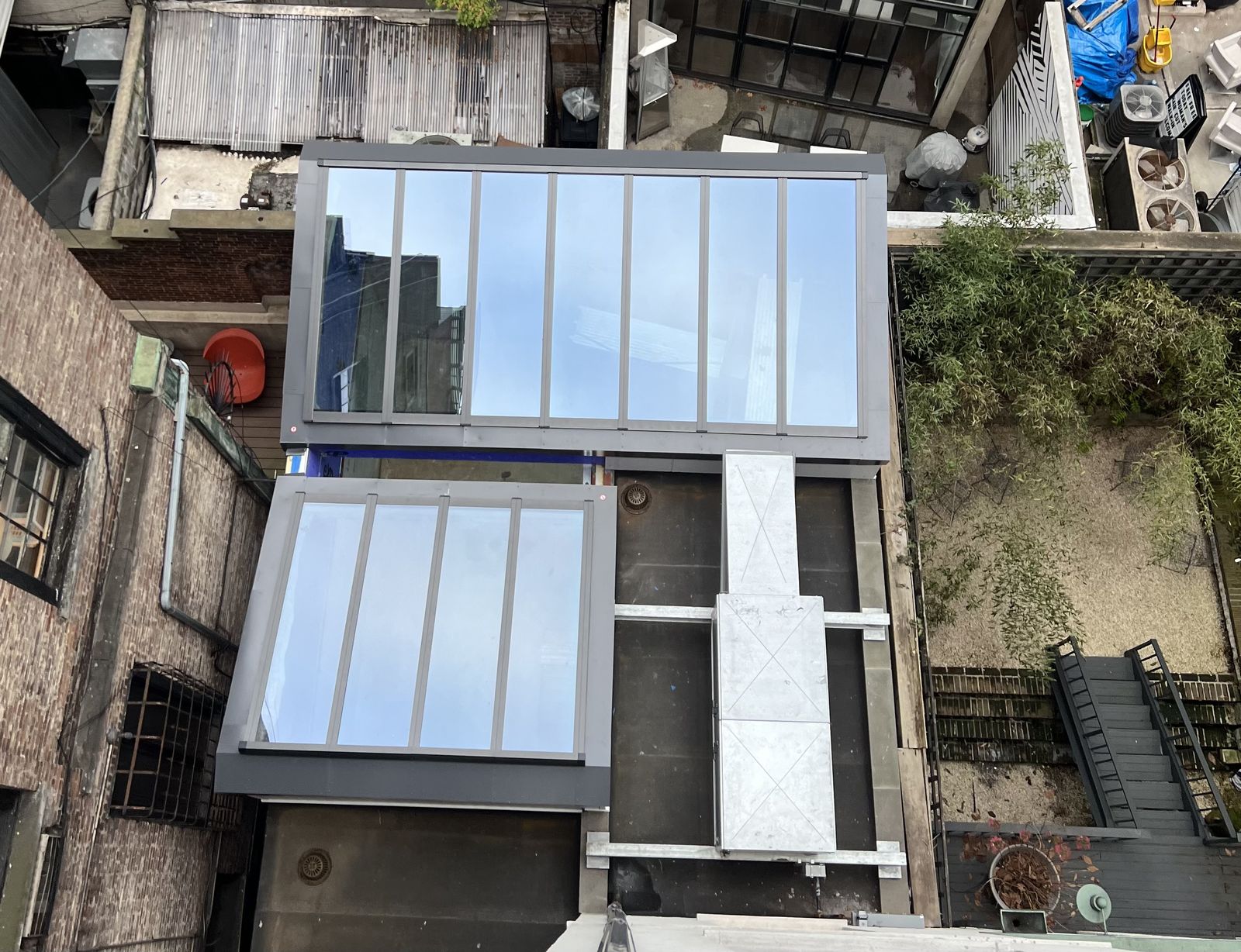
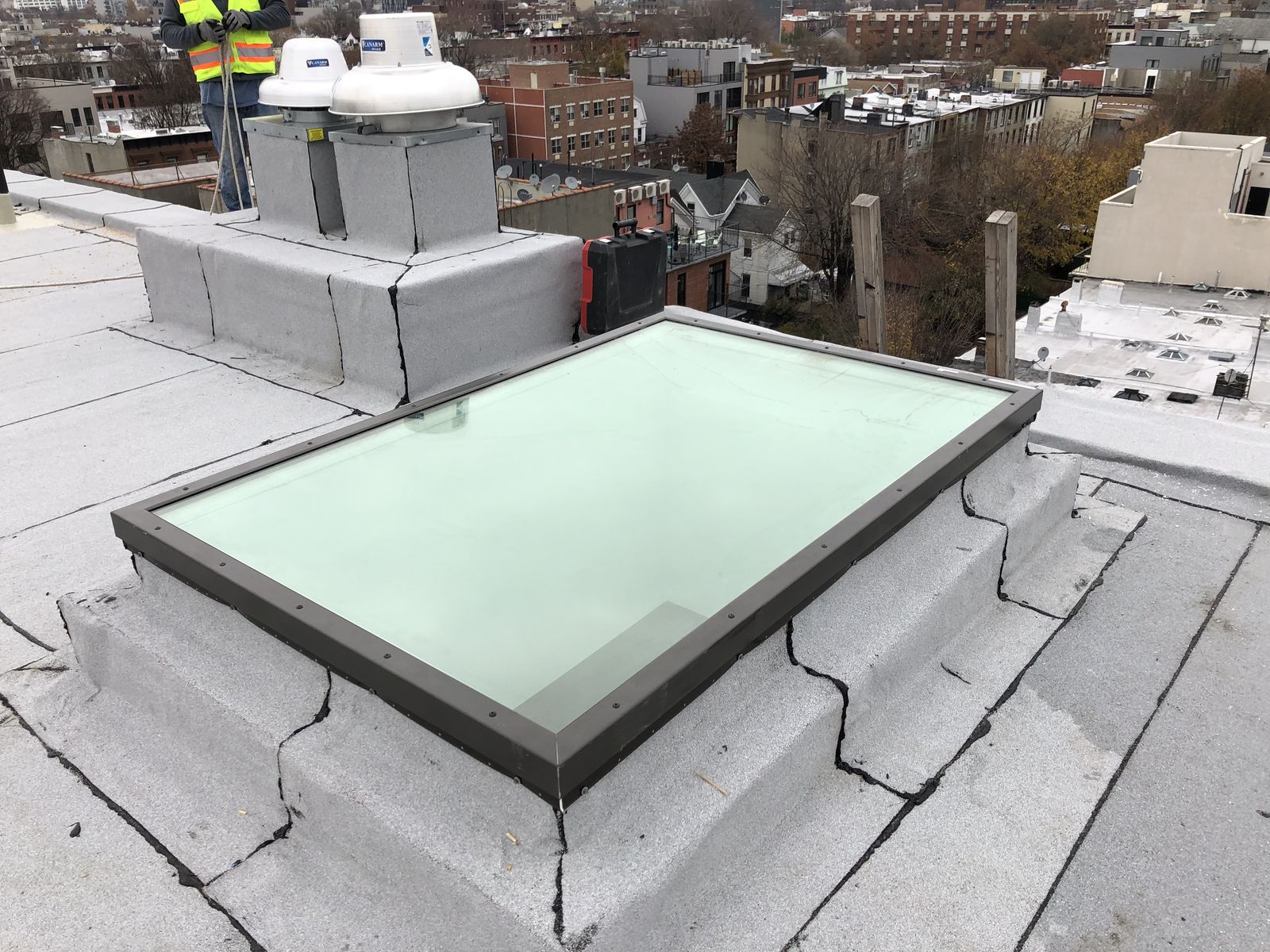
New York Skylight Installers replaces, installs and supplies skylights in Manhattan brownstones, rowhouses and lofts. Official VELUX dealer, LIC# 2084179, skylights only since 2005.
SoHo has the largest residential skylights in the city and the oldest glazing still in daily use. The cast iron buildings went up between the 1860s and the 1890s as warehouses and factories, and the top floor was lit from above because that was the only way to light a floor plate that deep. What is still up there is often the original assembly: a steel frame, sometimes a raised monitor, filled with wire glass and puttied in. It was never meant to be a sealed residential roof and it has had a hundred years of tar thrown at it.
The part that surprises people is that the glass is rarely what fails first. The steel is. Water sits in the rebates where the glass beds, the putty goes hard and lets go, the frame rusts from the inside out and the section loses its strength while still looking solid from below. Sealing it again buys a season and costs money twice. Whether the steel can be saved or the assembly has to be replaced is a judgement made on the roof with a hand on the frame, not from a photograph.
The practical side of a SoHo job is access and approval. The buildings are co-ops and condos with boards, the district is the SoHo Cast Iron historic district so Landmarks comes before the Department of Buildings, and getting a large unit to a top floor means the freight elevator, the stair, or a hoist from the street with a permit for the day. We settle all three before anything is ordered. A straightforward replacement on a sound curb is $2,287 installed, and a new opening cut and framed is $3,850.
Leaking skylight in SoHo? Start with a professional assessment from New York's original skylight specialists. Skylights are all we have done since 2005: licensed and insured (LIC# 2084179), VELUX Trained & Approved, an official VELUX dealer, 4.9 stars on Google, and a 10-Year No Leak Warranty on every unit we install. Roofers and handymen do skylights on the side; we are the specialists the roofers call. Water dripping from the skylight, a stain on the ceiling under it, a drip that only shows up in a heavy rain: none of that tells you what actually failed. We come out, find the real cause, and give you a straight answer and a price for the right fix, which is usually a new unit. Active leaks go to the front of the schedule.
Not automatically, and we will not tell you it does until we have been on the roof. The wire in that glass was there for fire, not for strength, and what usually fails is the steel underneath it rather than the glass. If the frame is sound the assembly can often be reglazed. If the steel has rusted through at the rebates, sealing it again is money spent twice. We give you the honest answer either way.
Three ways, and we decide which at the assessment. The freight elevator where the building has one and the unit fits. Up the stair where it does not. Or a hoist from the street with a permit for the day, which we have done on these blocks. Knowing which one before you order the unit is the difference between a smooth day and a cancelled one.
Yes, and the board is usually the longest part of the timeline rather than the work. They will want a written scope, a certificate of insurance naming the building and the managing agent, and an answer on whether the roof warranty survives. We put that package together in a form the agent can forward, and we have done it enough times here that it is routine.
Often it can, and in a lot of these buildings it is the best thing on the roof. A monitor gives you glazing on the vertical faces as well as overhead, which means light without the summer heat of a flat glass roof. What it needs is the frame assessed, the glazing dealt with honestly and the base flashed into the roof properly. Where the structure is gone we rebuild rather than patch.
Usually not, because the parapets on these buildings are high and the roofs are deep. That normally makes it a staff level Certificate of No Effect prepared with the job. A raised monitor that reads from across the street is a different conversation, and we flag that before anything is ordered rather than after.
We cut it out and find the real curb. On these buildings the glazing has often been tarred around repeatedly to chase a leak, and the coating hides what is actually happening to the frame and the deck underneath. That is why the assessment matters here more than almost anywhere. We price the job once we can see what we are working with.
Tribeca · Greenwich Village · West Village · Lower East Side · East Village
We cover every part of the borough. See skylights in Manhattan, our published prices, or NYC permits and landmark rules. Serving 10012 and 10013.